Enter the Chamber
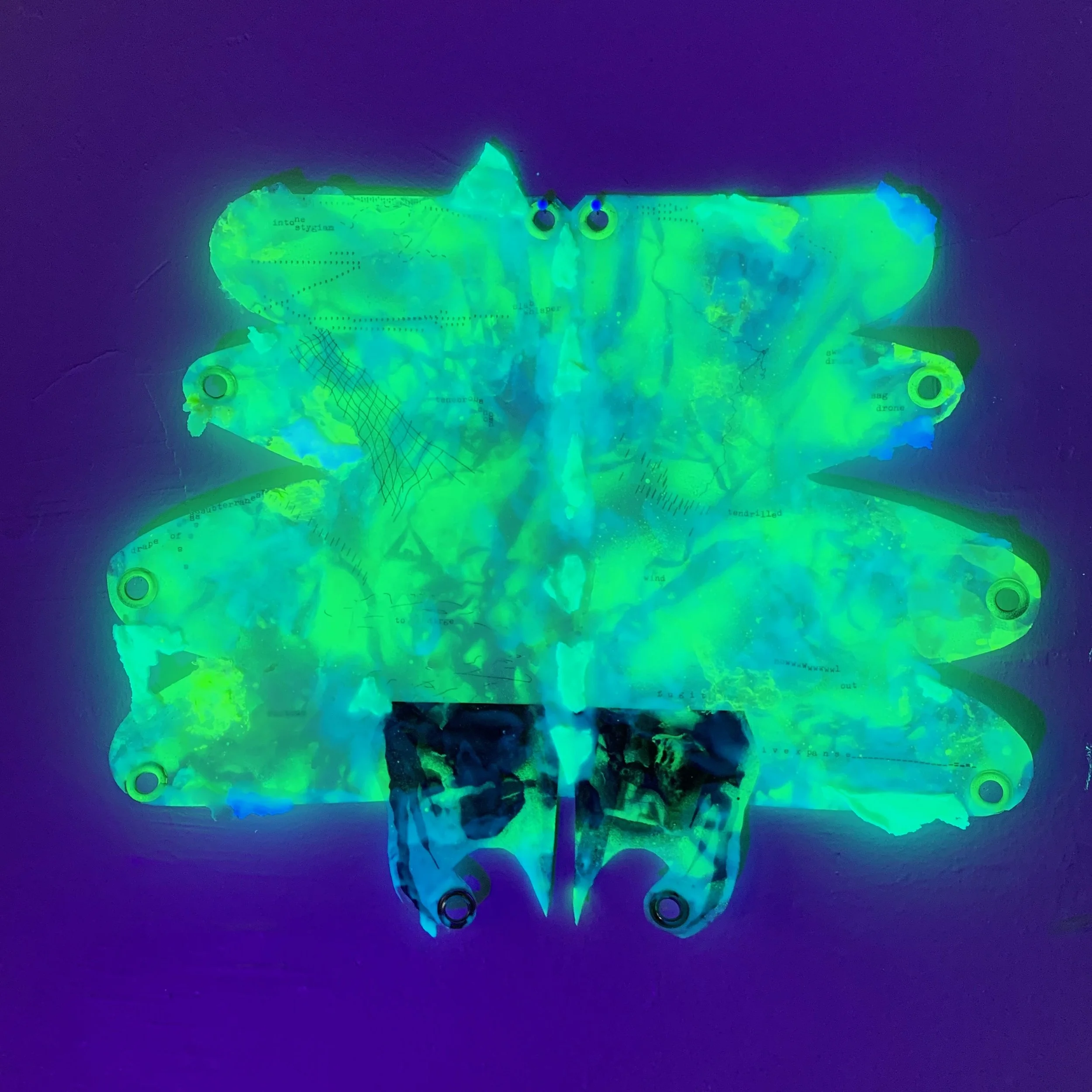
The Creative Act
Everyone is a Creator
Those who do not engage in the traditional arts may be wary of calling themselves artists. They may perceive creativity as something extraordinary or beyond their capabilities. Calling for the special few who are born with these gifts. Fortunately, this is not the case.
Creativity is not a rare ability. It is not difficult to access. Creativity is a fundamental aspect of being human. It's our birthright, and it's for all of us. Creativity doesn't exclusively relate to making art. We all engage in this act on a daily basis. To create is to bring something into existence that wasn't there before. It could be a conversation, a solution to a problem. A note to a friend. The rearrangement of furniture in a room or a new route home to avoid a traffic jam. What you make doesn't have to be witnessed, recorded, sold or encased in glass for it to be a work of art through the ordinary state of being.
We're already creators in the most profound way, creating our experience of reality and composing the world we perceive. In each moment, we're immersed in a field of undifferentiated matter from which our senses gather bits of information. The outside universe we perceive doesn't exist as such through a series of electrical and chemical reactions which generate a reality.
Internally, we create forests and oceans, warmth and cold. We read words, hear voices and form interpretations. Then in an instant, we produce a response. All of this in a world of our own creation, regardless of whether or not we're formally making art. We're all living as artists. We perceive, filter and collect data, then curate an experience for ourselves and others based on this information set. Whether we do this consciously or unconsciously by the mere fact of being alive. We are active participants in this ongoing process of creation.
To live as an artist is a way of being in the world, a way of perceiving a practice of paying attention. Refining our sensitivity to tune into the more subtle notes. Looking for what draws us in and what pushes us away. Noticing what tones arise and where they lead. Your entire life is a form of self-expression. You exist as a creative being in a creative universe, a singular work of art.
Tuning in
Think of the universe as an eternal creative unfolding. Trees blossom, cells replicate, rivers forge new tributaries. The world pulses with productive energy, and everything that exists on the planet is driven by that energy. Every manifestation of this unfolding is doing its own work on behalf of the universe, each in its own way, true to its own creative impulse. Just as trees grow flowers and fruit. Humanity creates works of art. The Golden Gate Bridge. The White Album. Guernica Hire. Sophia the Sphinx. The Space Shuttle. The Autobahn cleared to leave the Roman Coliseum. The Phillips Screwdriver. IPad. Philadelphia Cheesesteak. Look around you. There are so many remarkable accomplishments to appreciate. Each of these is humanity. Being true to itself as a hummingbird is true to itself. By building a nest, a peach tree, by bearing fruit and a nimbus cloud by producing rings. Every nest, every peach, every raindrop and every great work is different. Some trees may appear to make more beautiful fruits than others, and some humans may appear to compose greater works than others. The taste and beauty are in the eye of the beholder. How does the cloud know when to rain? How does the tree know when spring begins? How does the bird know when it's time to build a new nest?
The universe functions like a clock.
To everything. There is a season and a time to every purpose under heaven. A time to be born. A time to die. A time to plant. A time to reap. A time to kill. A time to heal. A time to laugh. A time to weep. A time to build up. A time to break down. A time to dance. A time to mourn. The time to cast away. Stones. A time to gather stones together.
These rhythms are not set by us. We are all participating in a larger creative act. We are not conducting. We are being conducted. The artist is on a cosmic timetable. Just like all of nature. If you have an idea you're excited about and you don't bring it to life, it's not uncommon for that idea to find its voice through another maker. This isn't because the other artists stole your idea. It's because the idea's time has come in this great unfolding. Ideas and thoughts, themes and songs and other works of art exist in the ether and ripen on schedule, ready to find expression in the physical world.
As artists, it is our job to draw down this information transmuted and share it. We are all translators for the messages the universe is broadcasting. The best artists tend to be the ones with the most sensitive antennae to draw in the energy resonating at a particular moment. Many great artists first developed sensitive antennae not to create, but to protect themselves. They have to protect themselves because everything hurts more. They feel everything more deeply. Often art arrives in movements, powerhouse architecture, abstract expressionism, French new wave cinema, punk rock, beat poetry to name a few from recent history. These movements appear like a wave.
Some artists are able to read the culture and position themselves to ride the swell. Others might see the wave and choose to swim against the current. We are all antennae for creative thought. Some transmissions come on strong, others more faint. If your antenna isn't sensitively tuned, you're likely to lose the data in the noise, particularly since the signals coming through are often more subtle than the content we collect through sensory awareness. They're energetic, more than tactile, intuitively perceived, more than consciously recorded.
Most of the time we're gathering data from the world through the five senses. With the information being transmitted on higher frequencies, we are channeling energetic material that can't be physically grasped. It defies logic in the same way that an electron can be in two places at once. This elusive energy is of great worth, though so few people are open enough to hold it. How do we pick up on a signal that can either be heard nor defined? The answer is not to look for it. Nor do we try to predict or analyze our way into it. Instead, we create an open space that allows it a space so free of the normal overpacked condition of our minds that it creates a vacuum.
Drawing down the ideas that the universe is making available, this freedom is not as difficult to achieve as one might think. We all start with it.
As children, we experience much less interference between receiving ideas and internalizing them. We accept new information with delight instead of making comparisons to what we already believe. We live in the moment rather than worrying about future consequences. We're spontaneous, more than analytical. We're curious, not jaded. Even the most ordinary experiences in life are met with a sense of awe.
Deep sadness and intense excitement can come within moments of each other. There's no facade and no attachment to a story. Artists who are able to continually create great works throughout their lives often manage to preserve these childlike qualities, practicing a way of being that allows you to see the world through uncorrupted innocent eyes can free you to act in concert with the universe's timetable. There's a time for certain ideas to arrive and they find a way to express themselves through us.
Full Playlist: https://on.soundcloud.com/5CWnn
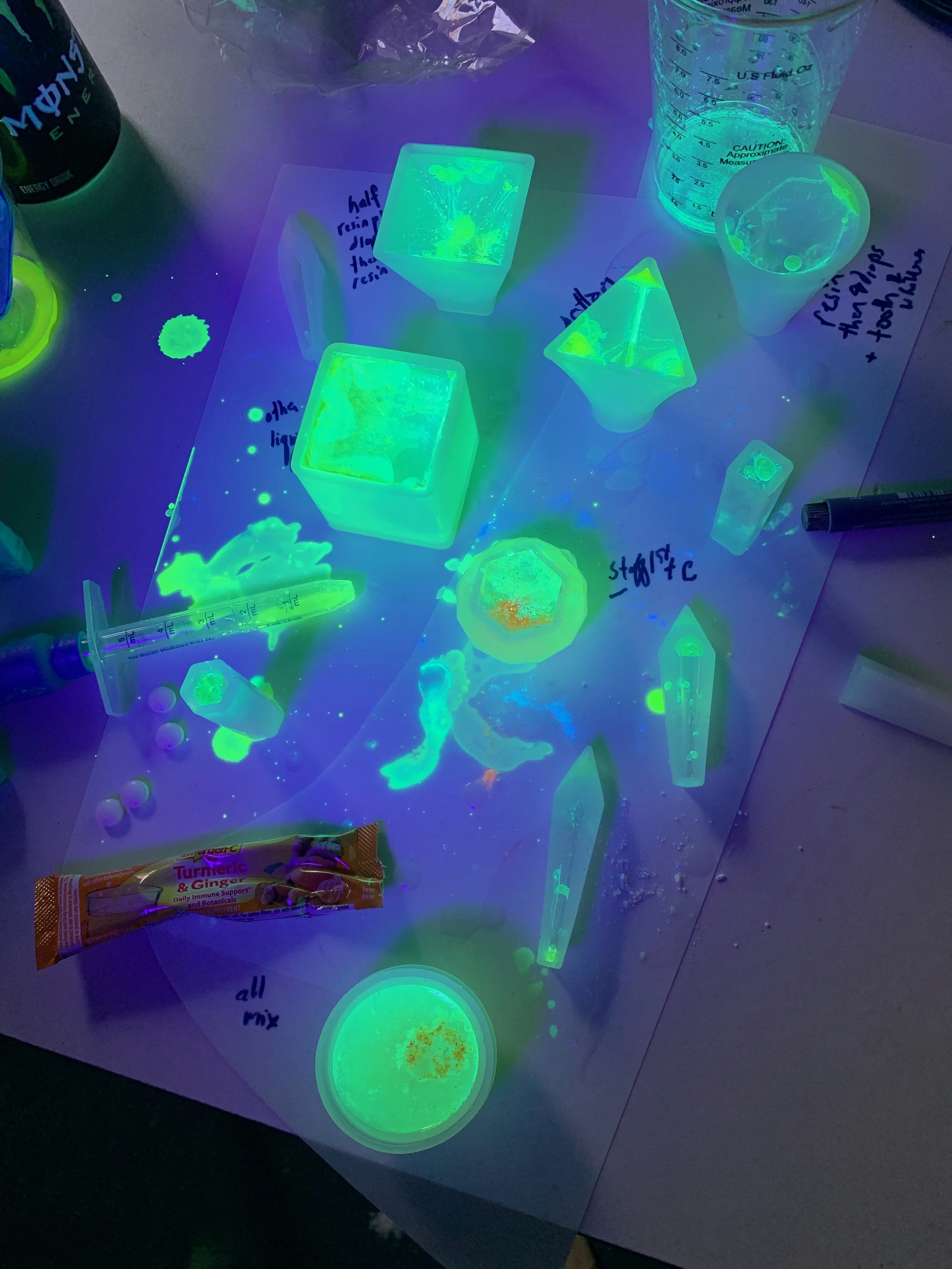
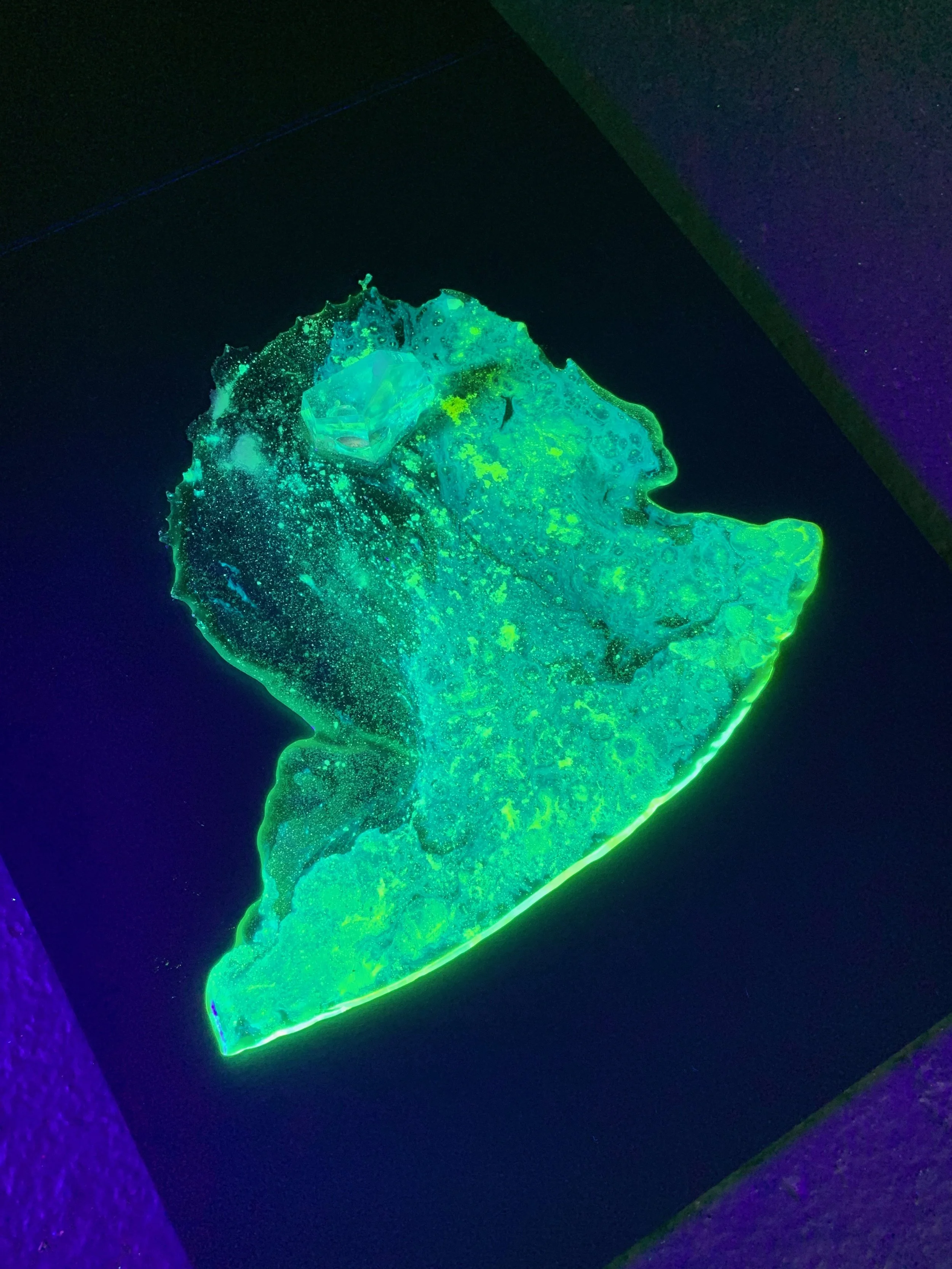
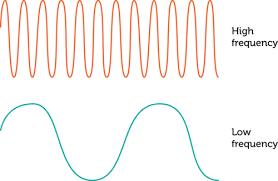
Frequency | Channels
Technology
Nature
Human Consciousness
Narrative - Self, creative, news, politics
History
Imagined Futures
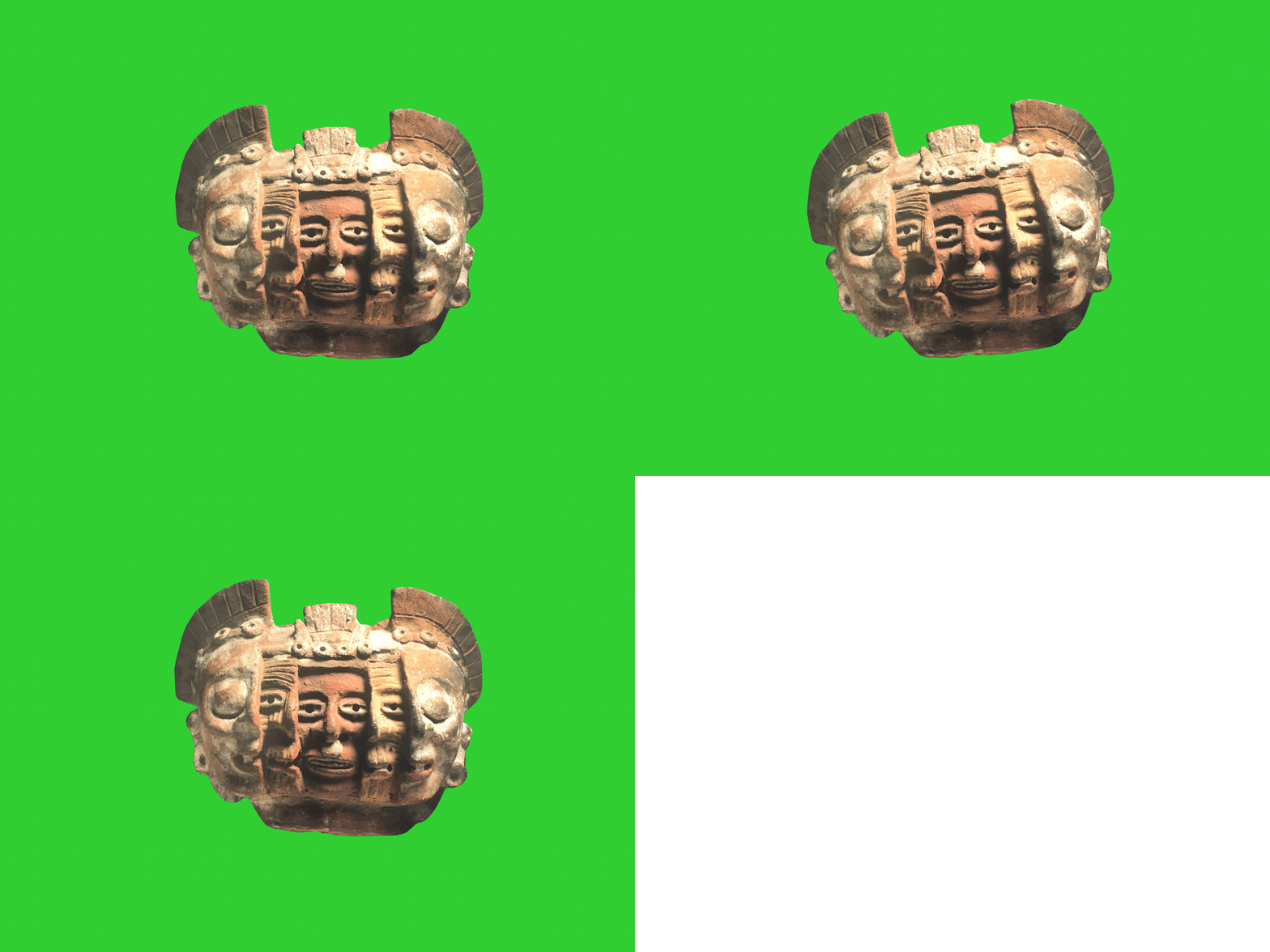
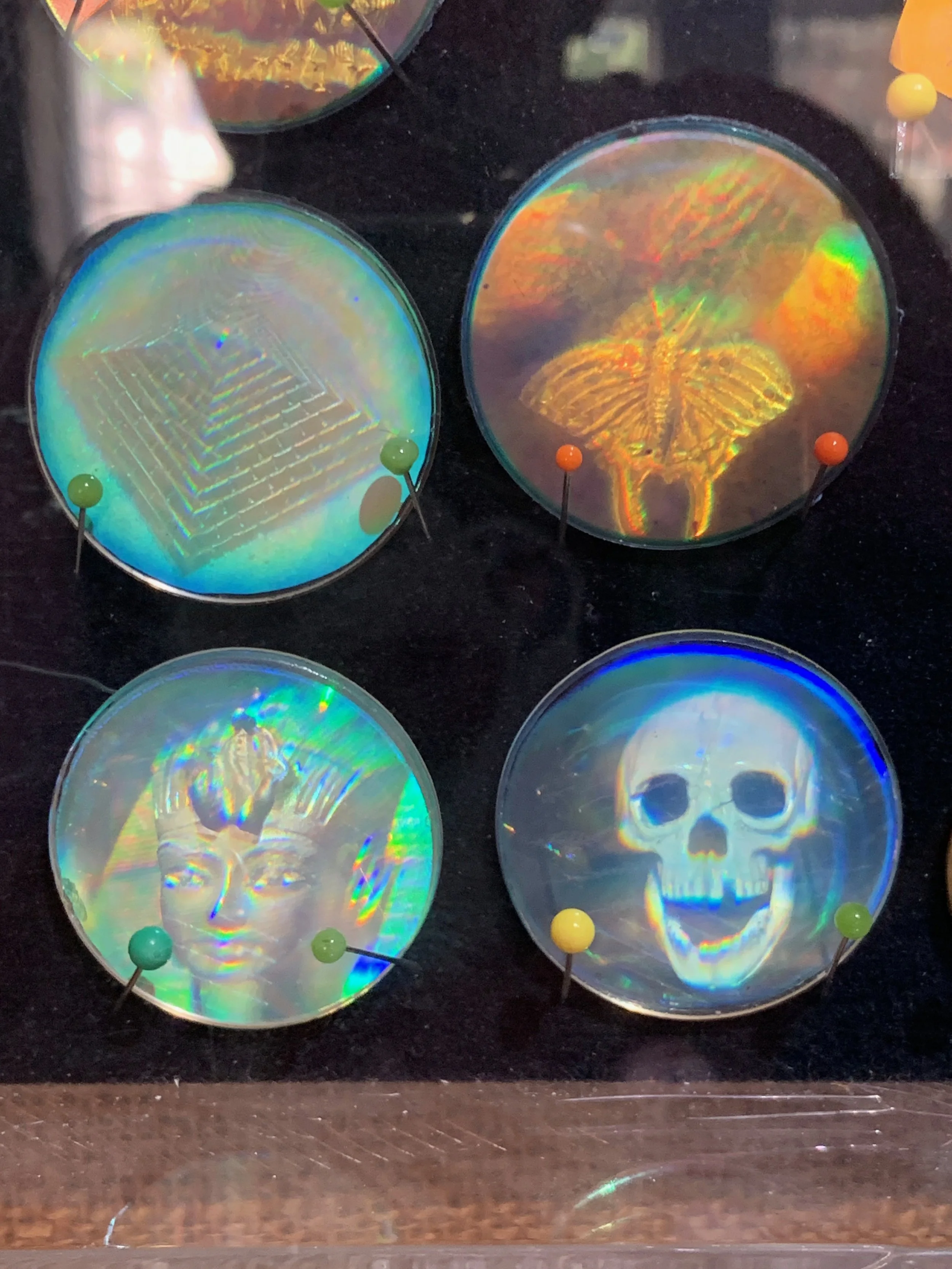
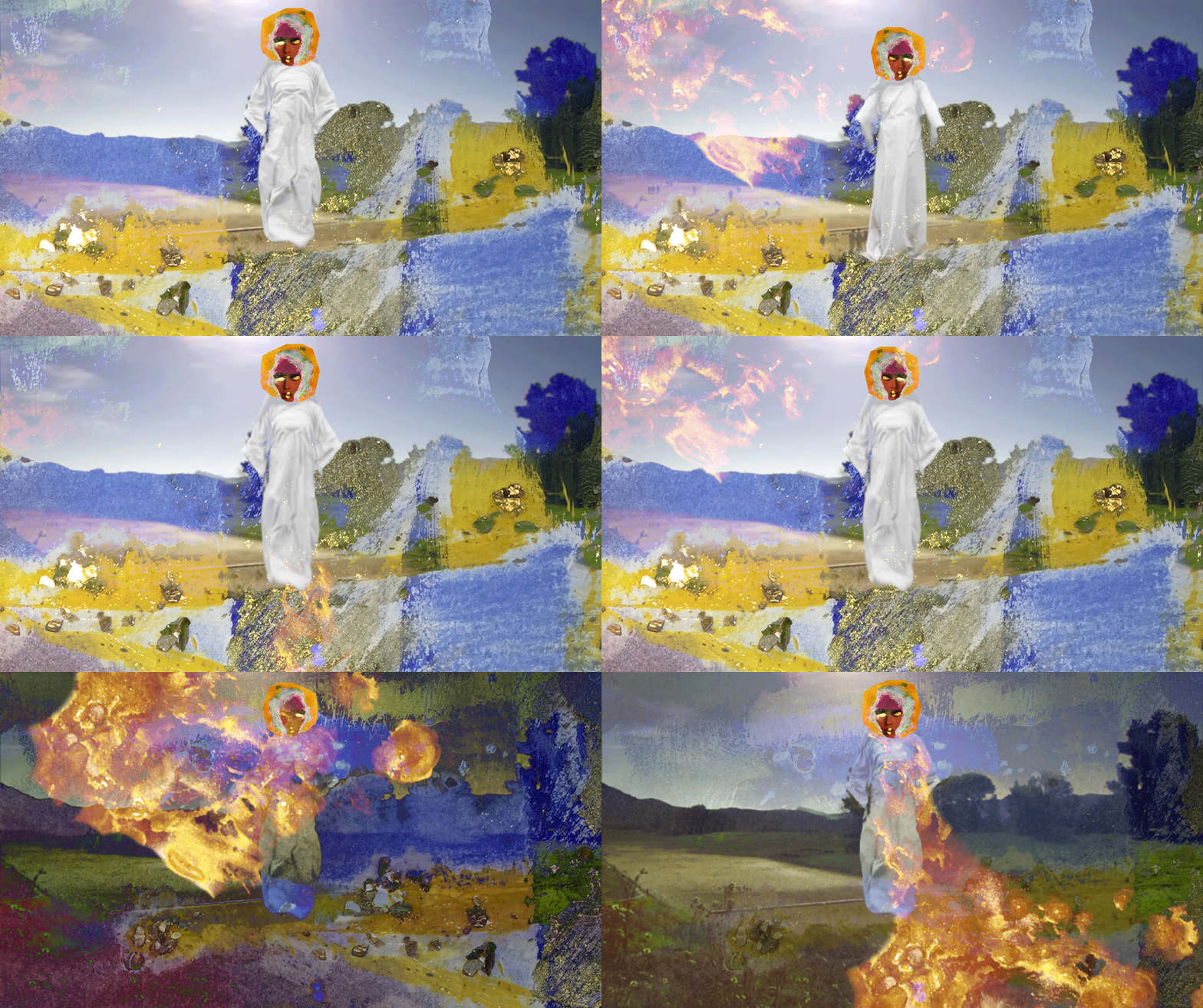
Notes
temples marking the passage between life and death.
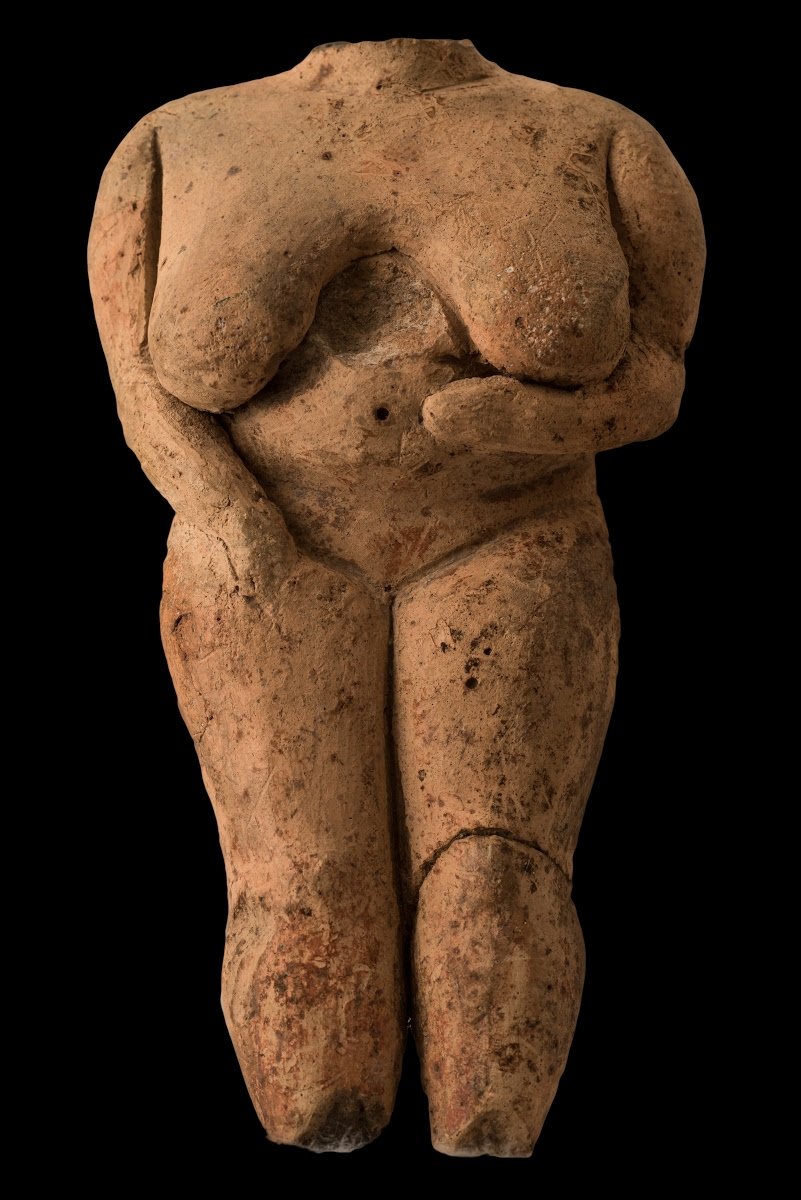
'fat woman' or Venus of Malta - 'mother goddess' was central to spiritual life.
'memory monument’ - an elaborate funeral rite took place -bodies appear to have been brought there, ritually dismembered and the body parts arranged ceremoniously around the site.
Ħal Saflieni Hypogeum is the most mysterious of ancient sites …. A labyrinthine Neolithic burial chamber complex, tunnelled by hand three storeys down into soft limestone.
Entrance is hidden easy to miss…..”looks like any other weather-beaten apartment block. Beneath the unassuming surface, however, lies an ancient netherworld that Jay undisturbed for millennia. In 1902, builders installing plumbing in a new apartment block accidentally cut into the roof of the near perfectly preserved subterranean temple.
What they found was like something out of Indiana Jones: oblique chambers, side rooms, pits containing headless statues, geometric wall paintings and around 7,000 skeletal remains. In the decades since its discovery, a wormhole of garish folklore has built up around the place. Serpent priests, ritual sacrifice, UFOs, genetic mutation, lost children and disappearing tour groups all feature in local tales of the” site, inspired not only by the singular topography of the site, but also its most peculiar acoustics.
The so-called 'Oracle Chamber' is a rectangular side room with red ochre spirals painted on the ceiling. It has a particularly disquieting aural effect. Archaeologists and historians
have long speculated about both the stone shelf mounted across the back wall, which looks very much like a modern resonator panel, and the small niche into which many have speculated that an oracle or ancient priest may have spoken, their voice reverberating around the entire chamber with eerie sonority.
As National Geographic reported in 1920, some eighteen years after the Hypogeum's discovery: 'A word spoken in this room is magnified a hundredfold and is audible throughout the entire structure. The effect upon the credulous can be imagined when the oracle spoke and the words came thundering forth through the dark and mysterious place with terrifying impressiveness.
The Hypogeum was likely a place of community remembrance. The dead were far from 'out of sight, out of mind'. They were laid out in their hundreds, made accessible to visitors
via a complex of walkways and chambers.
The sound bounces around the dank walls for a freakishly long time. It is extraordinary. I have never heard reverberation like it. This space -indeed the entire Hypogeum _ crackles with peculiar magic.

Gateway - doorway
resonates at the same frequency, 111 Hz,
sound ritual, ritual sound, reverberating-bouncing-looping acoustics,
the voice - what is said`/ what is promised? lies, truths - future and present
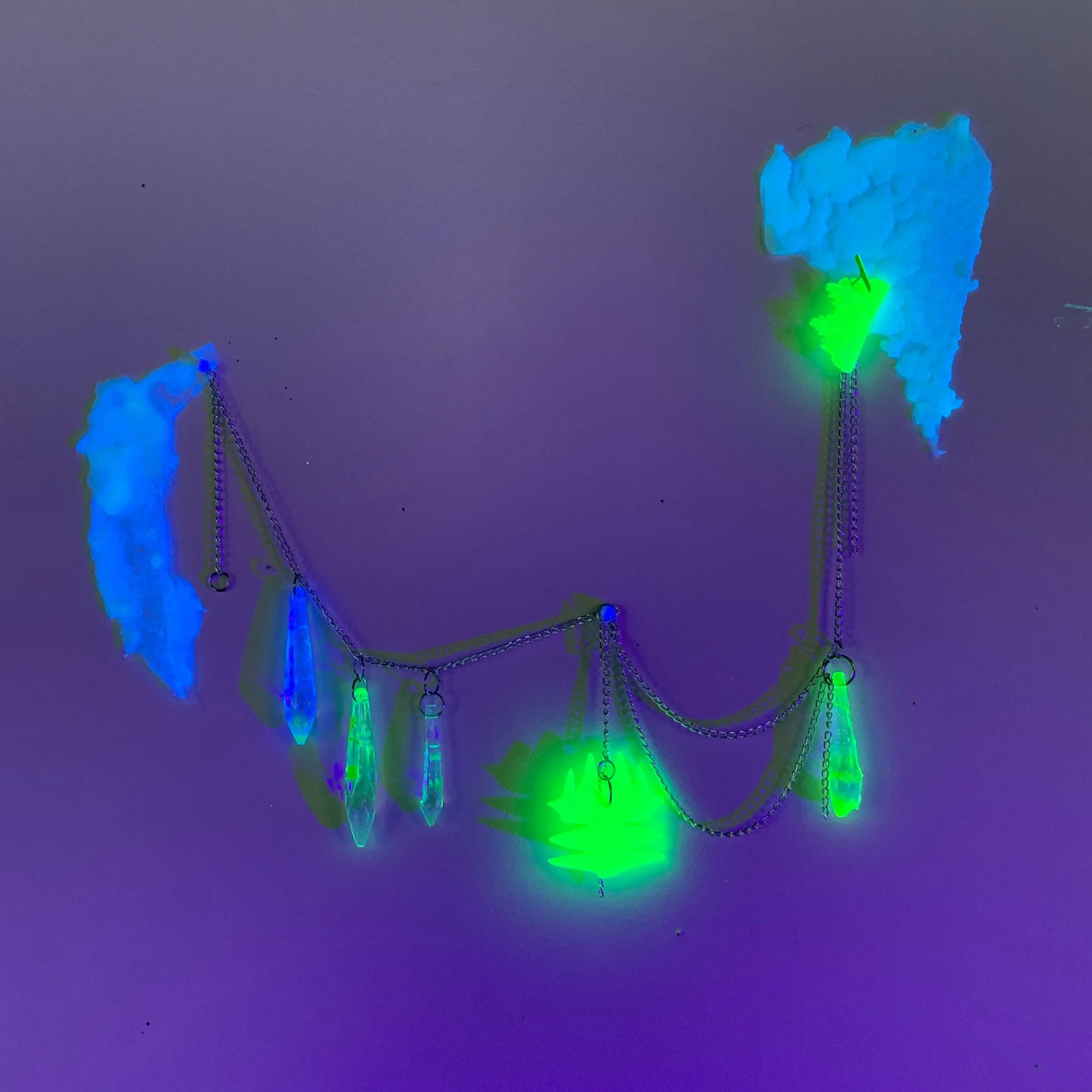
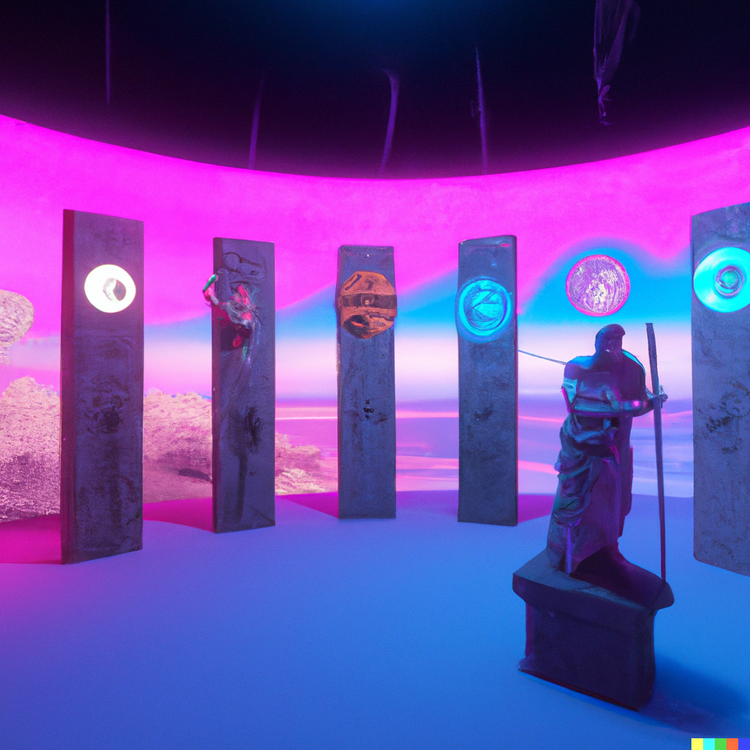
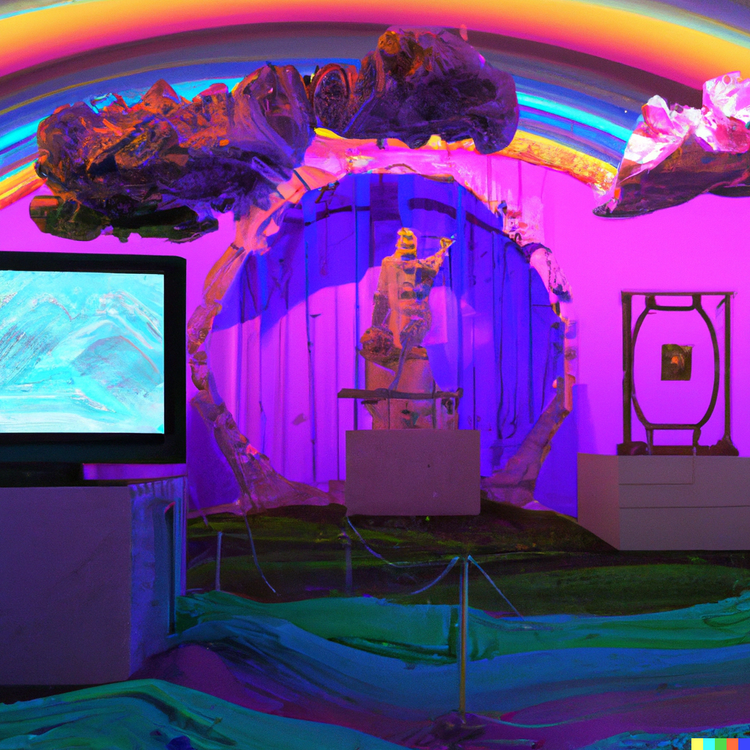
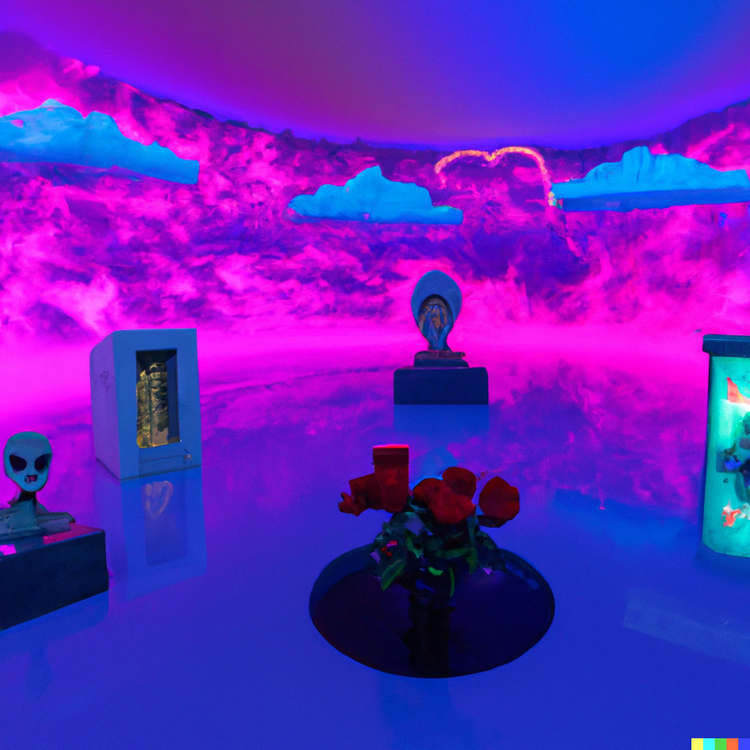
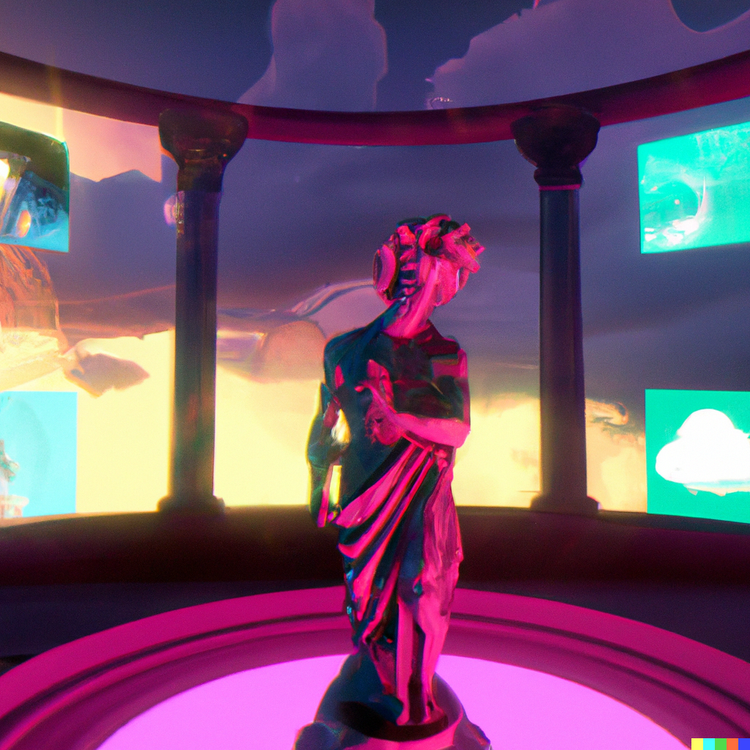
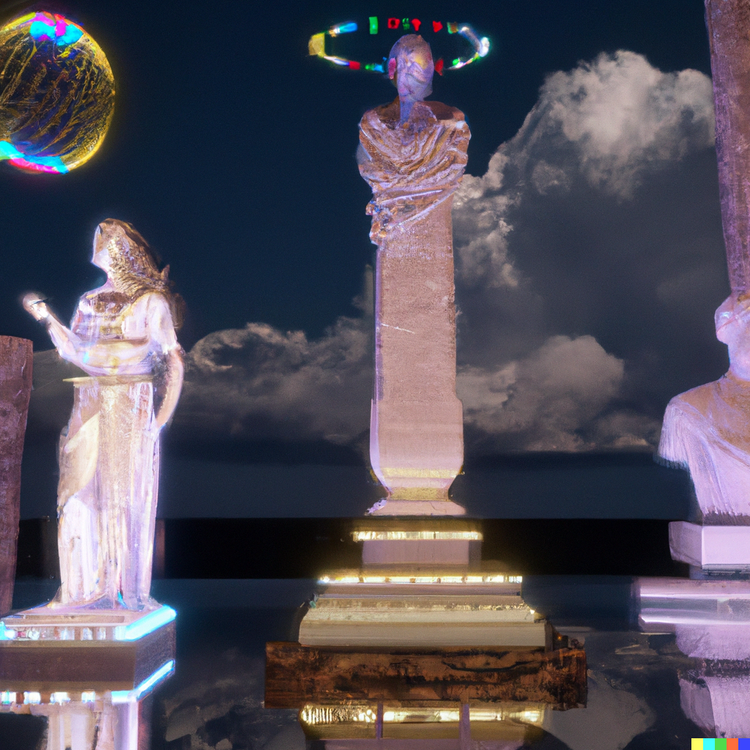
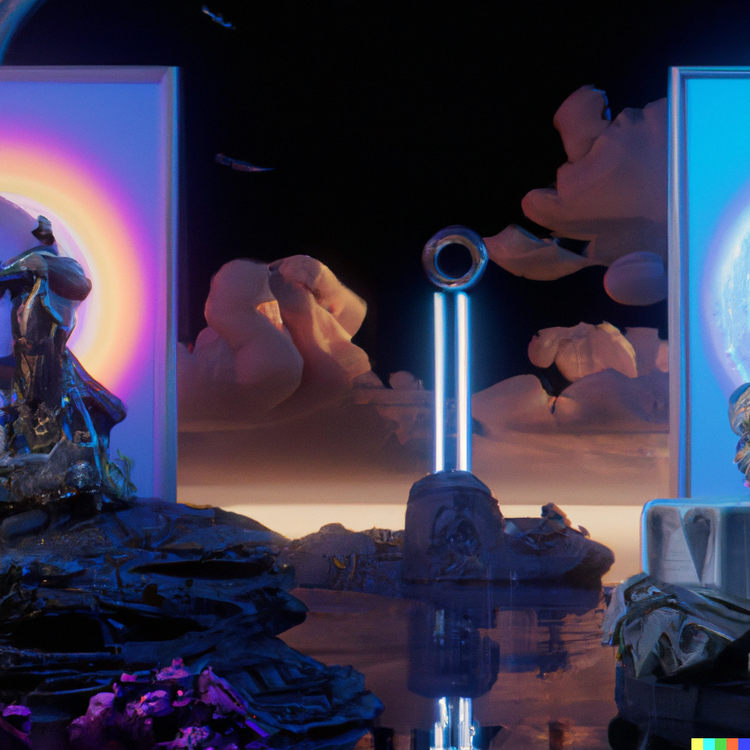
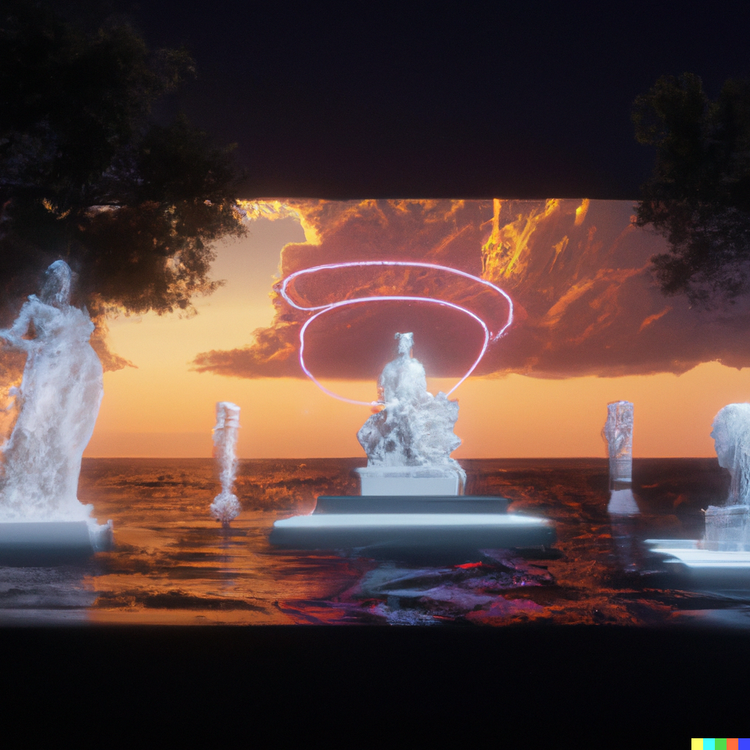
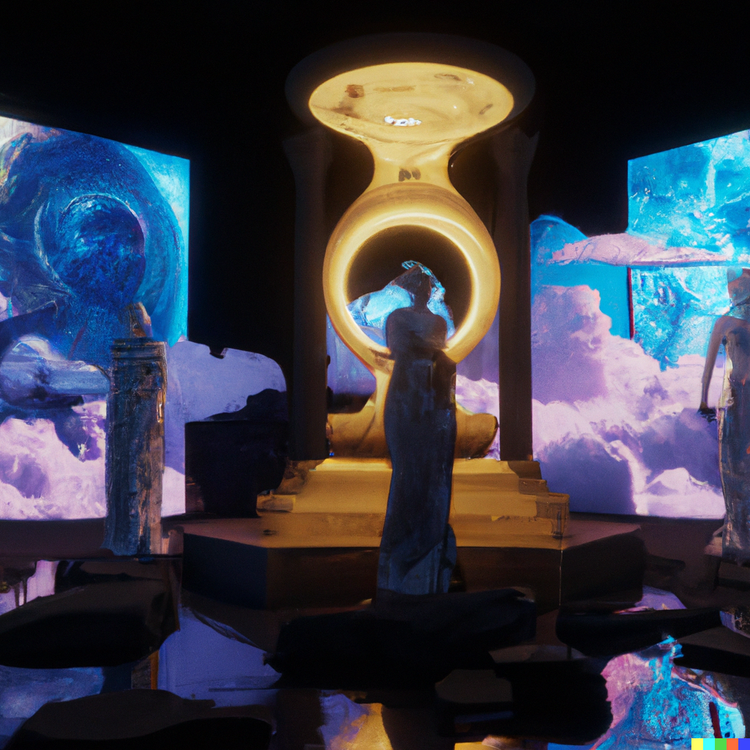
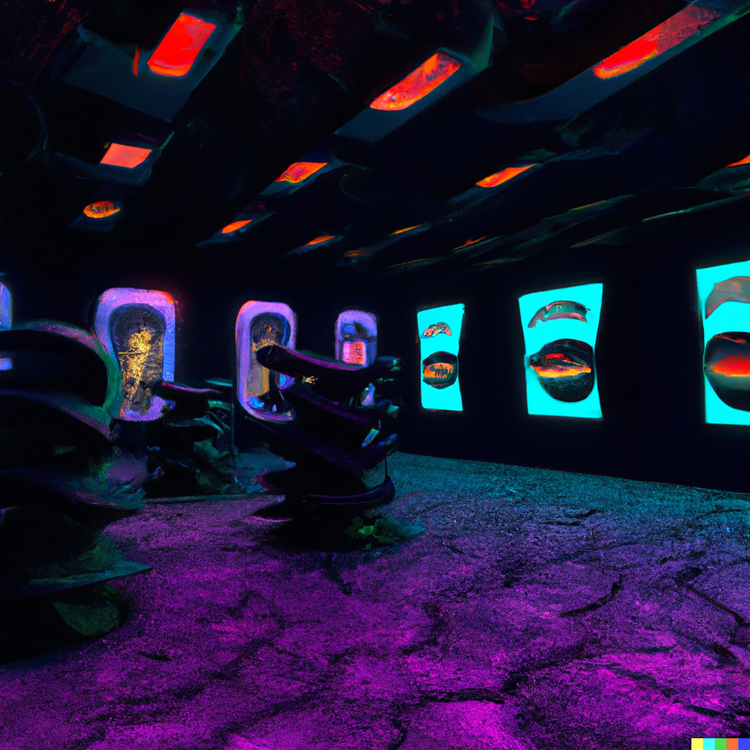
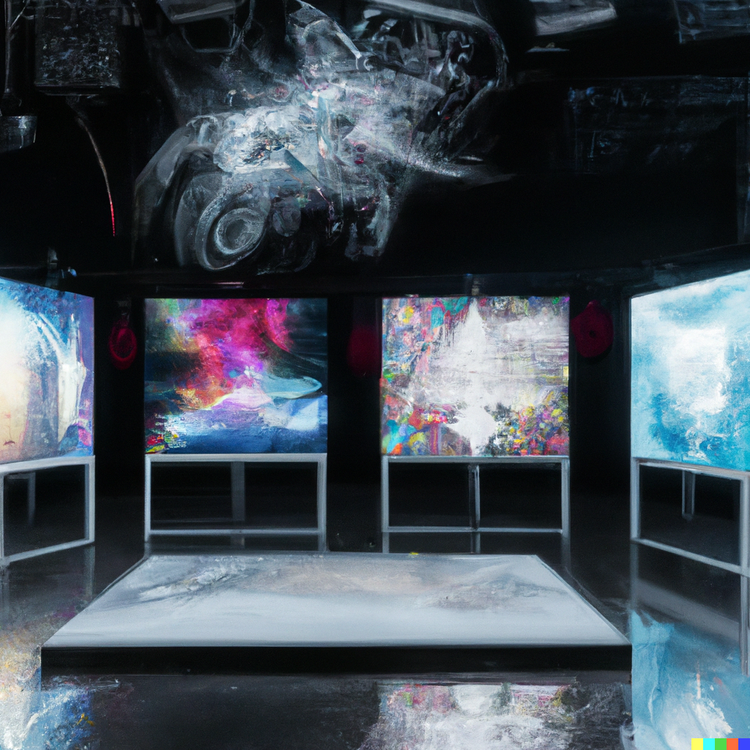
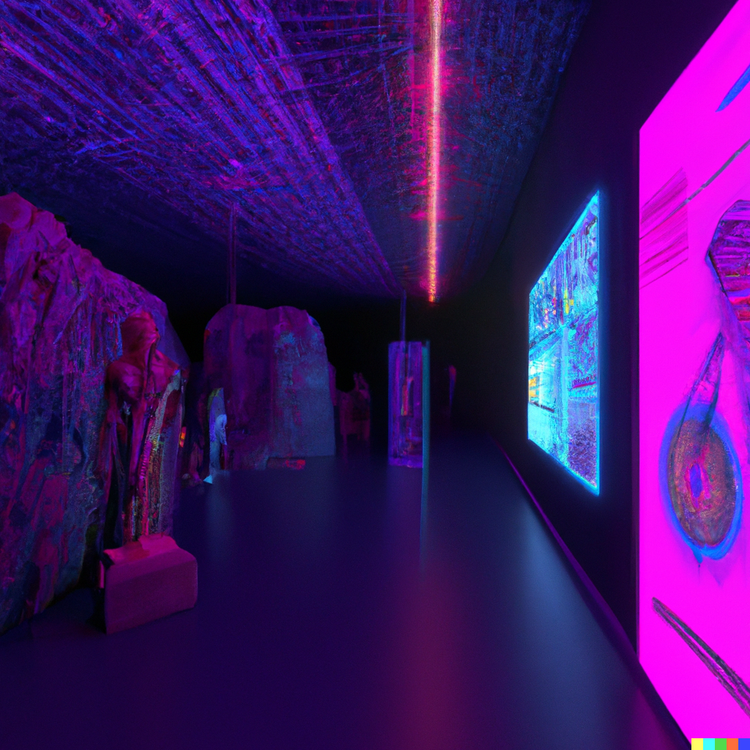
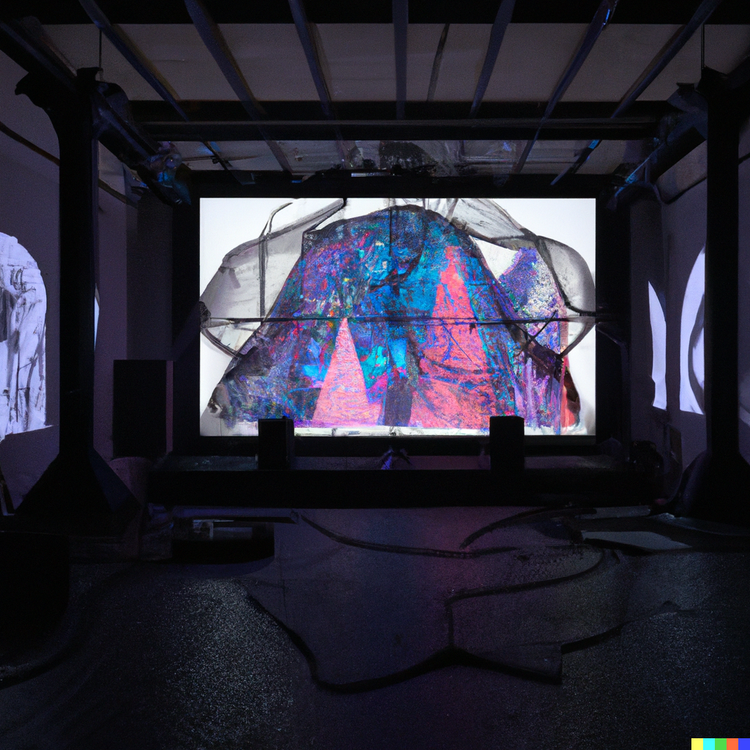
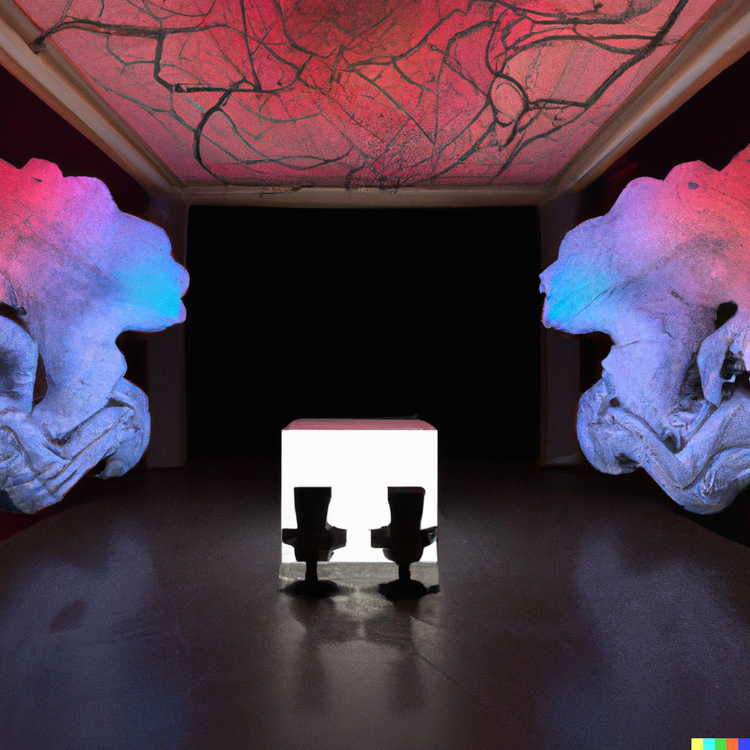
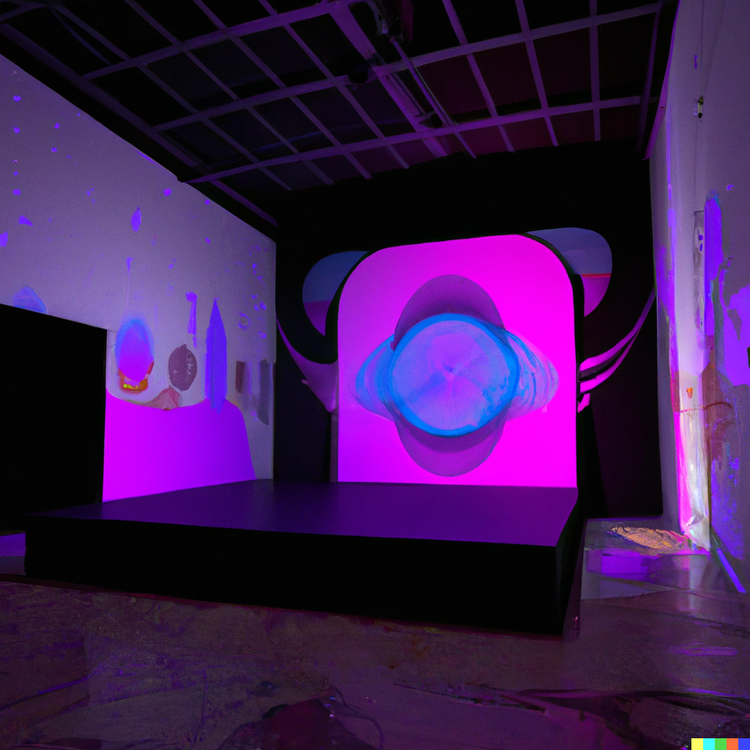
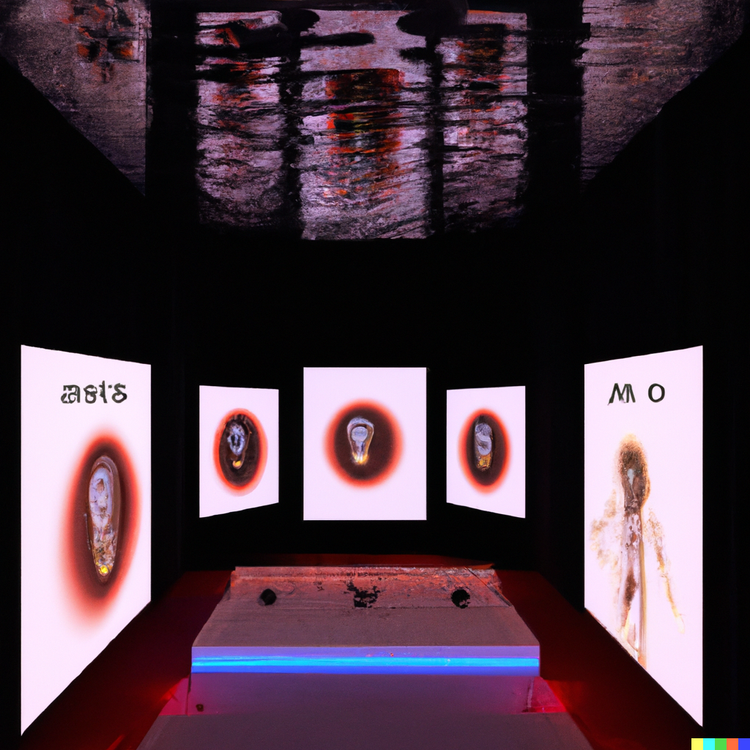
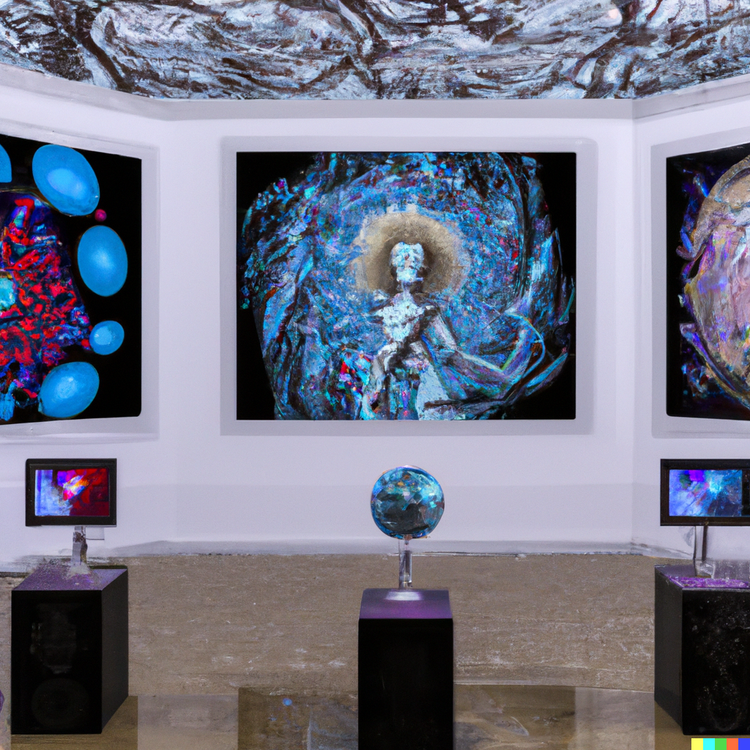
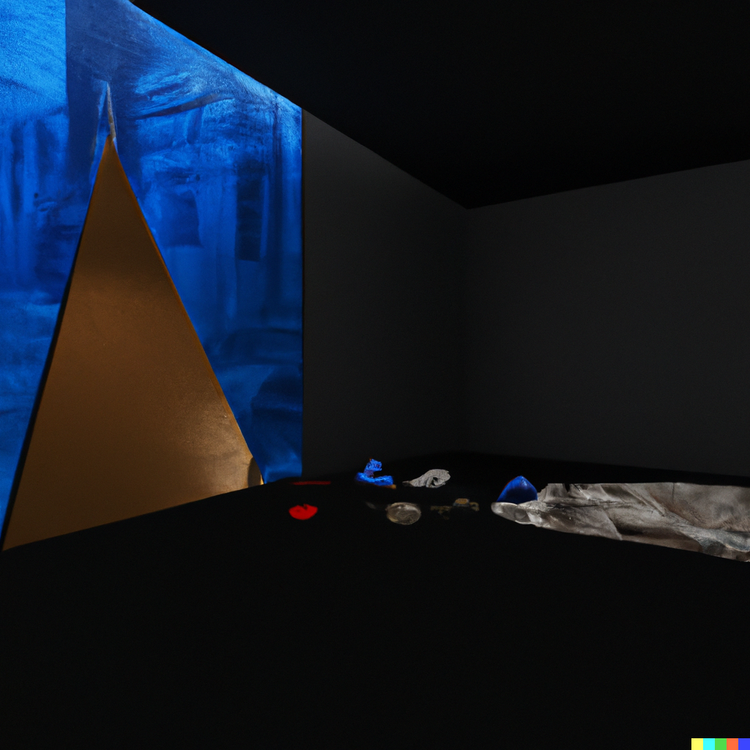
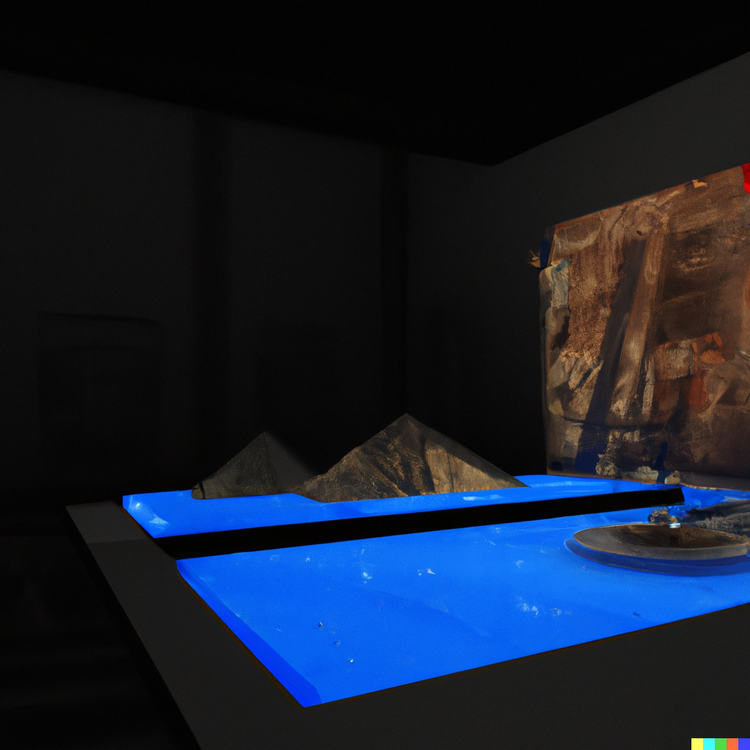
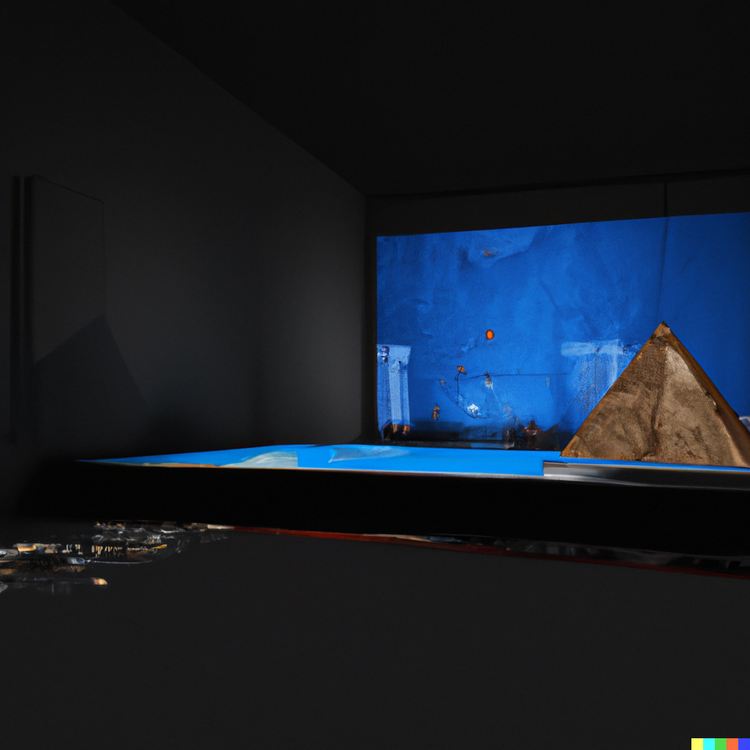
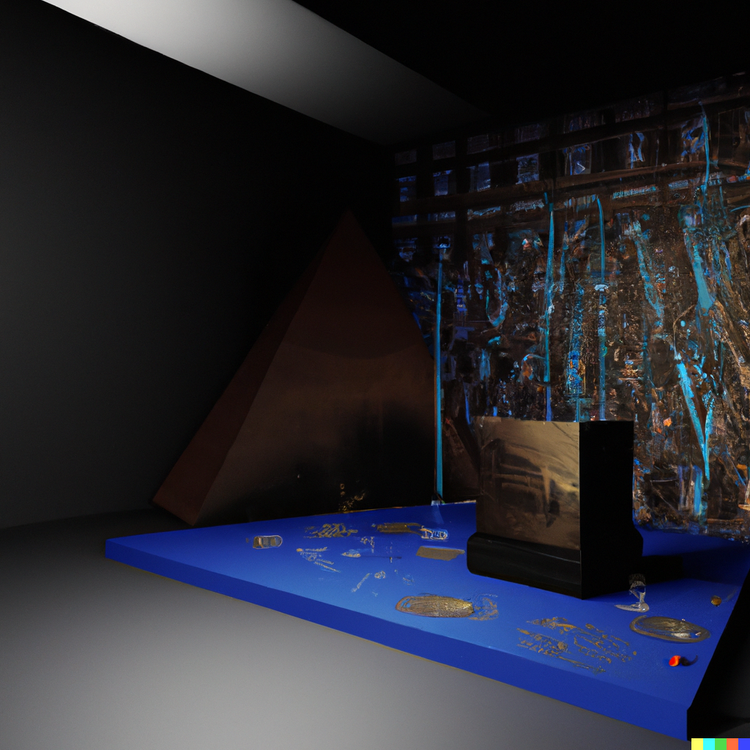
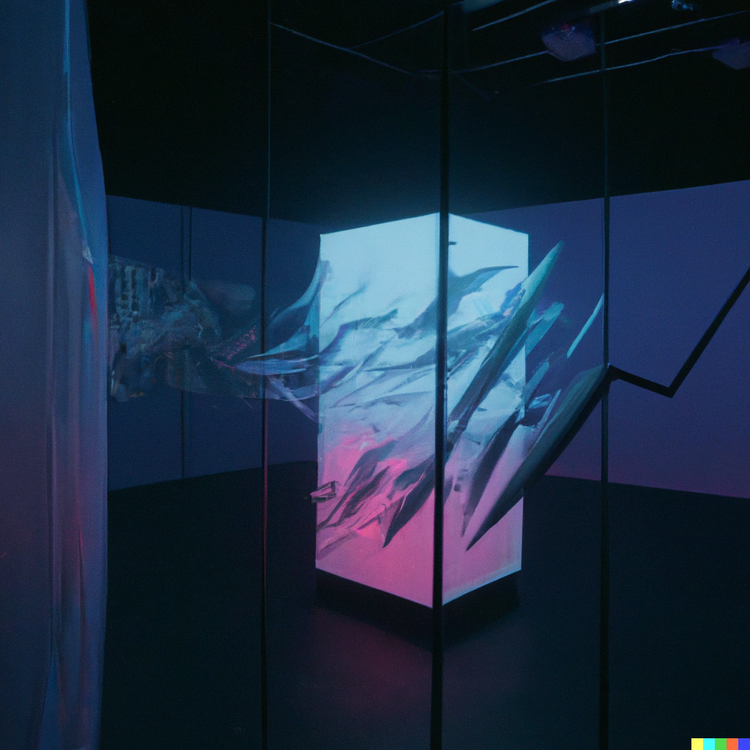
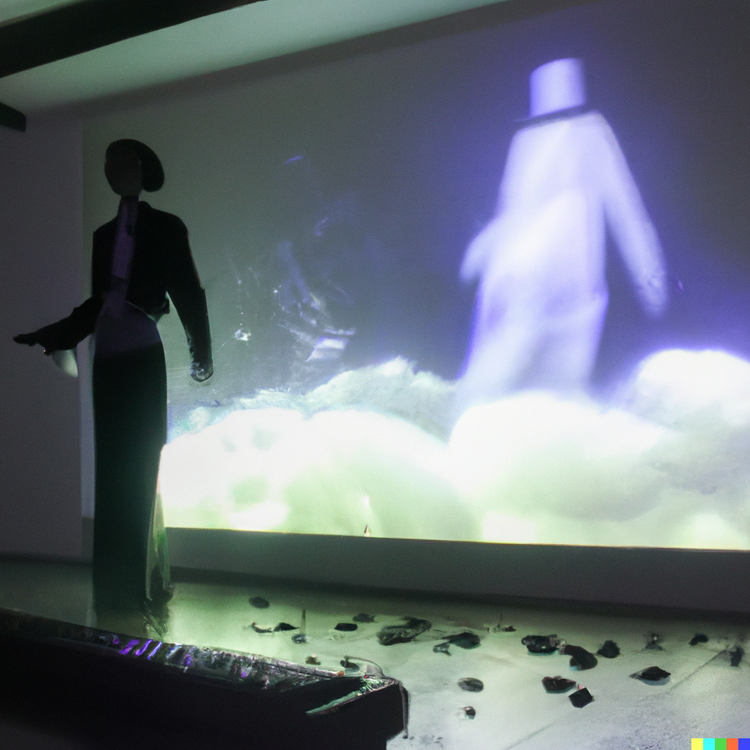
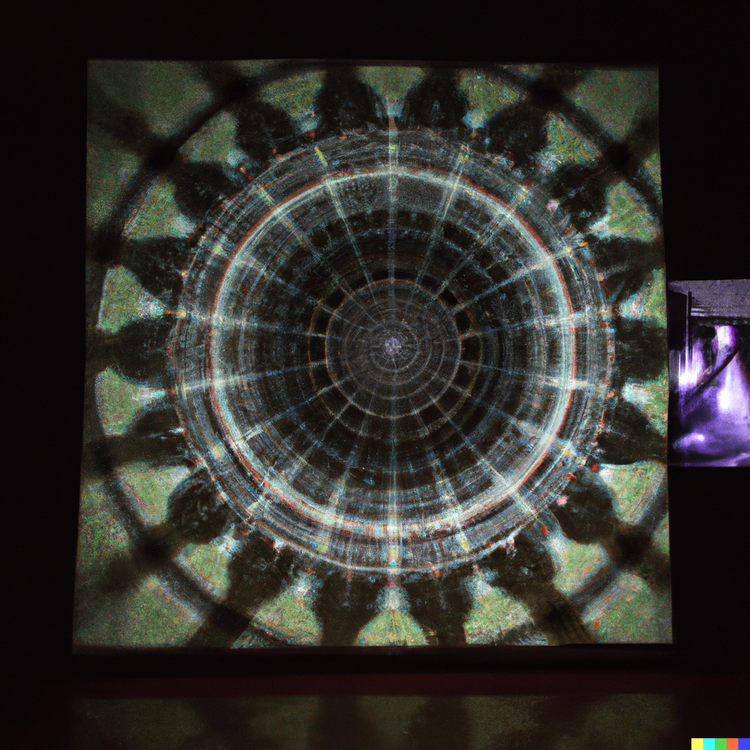
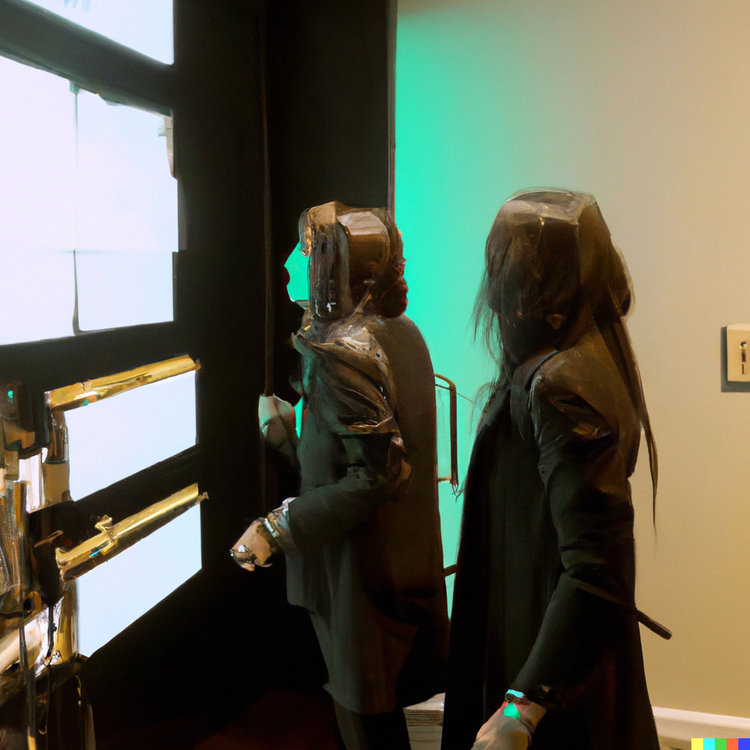
oracle - portal
views of future histories, predictions
oracle comes from the Latin verb ōrāre, "to speak
____
Can you describe the experience of visiting an Oracle?
Visiting an oracle can be a unique and often mystical experience, steeped in tradition, symbolism, and spiritual beliefs. The exact experience may vary depending on the specific oracle, culture, and individual beliefs, but here's a general overview of what it might entail:
Preparation: Before visiting an oracle, there may be certain rituals or preparations required. These could include fasting, purification, or making offerings to the deity associated with the oracle. Visitors may also be instructed on how to approach the oracle, what questions to ask, or what offerings to bring.
Setting: Oracles are often located in sacred places, such as temples, caves, or other natural formations. The setting may be imbued with a sense of reverence and awe, with symbols, statues, or other religious artifacts present.
Oracle's Presence: The oracle, who may be a priest, priestess, medium, or other designated person, serves as the intermediary between the divine and the seeker. The oracle may be in a trance-like state, channeling messages from the divine, or may use divination tools such as cards, stones, or other objects to facilitate communication.
Seeking Guidance: Visitors typically approach the oracle with questions or concerns, seeking guidance or insights into their lives, future events, or other matters. The oracle may provide answers, prophecies, or interpretations, often in a symbolic or cryptic manner.
Interpretation: The messages or prophecies provided by the oracle may require interpretation. Visitors may need to reflect on the symbolism or meaning behind the oracle's words or divination results to understand the guidance being offered.
Conclusion: Once the session with the oracle is complete, visitors may be given further instructions or rituals to follow, or may simply leave with the guidance received. They may feel a sense of awe, wonder, or inspiration, or may need time to process and reflect on the messages received.
It's important to note that not all oracles or oracle experiences are the same, and interpretations of the messages received can vary. Belief in oracles and their abilities is often a matter of personal faith and spirituality, and individuals may have different perspectives on the authenticity and significance of their experiences with oracles.
Make a concept for a two room art exhibit, where you use the idea of visiting an oracle.
Concept: "The Oracle's Chambers: A Journey of Divination and Revelation"
Description: "The Oracle's Chambers" is an immersive two-room art exhibit that invites visitors to embark on a journey of divination and revelation, drawing inspiration from the concept of visiting an oracle. The exhibit is designed to create a multi-sensory experience that engages visitors' senses and emotions, transporting them to a mystical realm where they can seek guidance, explore symbolism, and reflect on the mysteries of the divine.
Room 1: The Divination Chamber The first room sets the stage for the divination experience. It is dimly lit, with flickering candlelight creating an otherworldly ambiance. The walls are adorned with tapestries, paintings, and sculptures depicting various divination practices from different cultures and time periods, such as tarot cards, tea leaf reading, crystal ball gazing, and I Ching. There are also interactive stations where visitors can participate in divination rituals, using divination tools and techniques to seek answers to their own questions or concerns. A knowledgeable guide, dressed as an oracle or a diviner, is present to provide insights and explanations about the different divination practices, their history, and cultural significance.
Room 2: The Revelation Chamber The second room is the "Revelation Chamber," where visitors enter after their divination experience. This room is bathed in soft, ethereal light, creating a sense of wonder and mystery. The walls are adorned with abstract and symbolic artworks, representing the messages and revelations that the visitors may have received during their divination practice. The artworks are open to interpretation and invite visitors to reflect on their own experiences and perceptions of divination. There are also reflective surfaces, such as mirrors or pools of water, that encourage introspection and self-reflection.
Overall, "The Oracle's Chambers" aims to create a contemplative space where visitors can explore the mystical world of divination, engage with different cultures and traditions, and reflect on the broader concepts of fate, destiny, and spirituality. The exhibit encourages visitors to question their beliefs, interpret symbolism, and seek personal insights, as they embark on a journey of self-discovery and revelation, inspired by the ancient practice of visiting an oracle.
Make a concept for a two room art exhibit, where you use the idea of visiting an oracle. End the exhibit on the roof with a dance party.
Concept: "Oracular Realms: A Journey of Art, Divination, and Celebration"
Description: "Oracular Realms" is an immersive two-room art exhibit that takes visitors on a transformative journey of art, divination, and celebration, inspired by the idea of visiting an oracle. The exhibit is designed to stimulate the senses, engage the mind, and uplift the spirit, culminating in a joyous dance party on the rooftop.
Room 1: The Divination Sanctuary The first room, "The Divination Sanctuary," serves as the starting point of the exhibit. It is a serene and meditative space, adorned with mystical symbols, sacred geometry, and vibrant colors. Within the sanctuary, visitors can partake in divination rituals, such as tarot readings, astrology consultations, or rune casting, facilitated by experienced diviners or artists who incorporate divination into their works. The divination sessions provide visitors with personal insights, messages, and guidance, deepening their connection to the oracle concept and setting the stage for the transformative journey ahead.
Room 2: The Artistic Realms After experiencing the divination sanctuary, visitors move into "The Artistic Realms," the second room of the exhibit. This space is a visually stunning and immersive environment filled with a diverse range of art installations, sculptures, paintings, and multimedia works, each exploring different aspects of divination, mysticism, and spirituality. The artworks are thought-provoking, interactive, and inspire contemplation, reflection, and self-discovery. Visitors are encouraged to engage with the artworks, interpret symbolism, and explore the realms of the oracle concept from different perspectives, allowing for a deeper connection with the art and the mystical realms it represents.
Roof: The Dance Party The culmination of the exhibit takes place on the rooftop, where visitors are invited to join a celebratory dance party under the open sky. The rooftop is transformed into a festive and vibrant space, with colorful lights, music, and decorations creating an atmosphere of joy and freedom. Visitors are encouraged to let go, dance, and revel in the moment, symbolizing the celebration of life's mysteries, the interconnectedness of art, divination, and spirituality, and the joy of self-expression.
Overall, "Oracular Realms" is a multi-sensory and immersive art experience that invites visitors to embark on a journey of self-discovery, inspiration, and celebration, inspired by the concept of visiting an oracle. It blends divination practices, artistic expressions, and a joyous dance party on the rooftop, creating a unique and memorable experience that engages both the mind and the spirit.
Make a concept for a two room art exhibit, where you use the idea of visiting an oracle. End the exhibit on the roof with a dance party. Be sure to poke fun at AI and describe it as a fortuneteller that cannot be fully trusted.
Concept: "AI Oracle: A Whimsical Journey of Art and Artificial Divination"
Description: "AI Oracle" is a playful and thought-provoking two-room art exhibit that explores the concept of visiting an oracle through the lens of artificial intelligence. The exhibit humorously questions the reliability of AI as a fortuneteller, while engaging visitors in an interactive and immersive experience that ends with a dance party on the rooftop.
Room 1: The AI Fortune-Telling Parlor The first room, "The AI Fortune-Telling Parlor," is designed to resemble a whimsical and retro-futuristic fortuneteller's den. Visitors are greeted by a charming AI fortuneteller, powered by a computer program, which promises to provide insightful and accurate predictions about their future. The AI fortuneteller interacts with visitors through a screen or a robot-like avatar, delivering cryptic and humorous messages that poke fun at the limitations of AI and its inability to fully replicate the human intuition and mystique of traditional oracles. The room is filled with quirky props, colorful decorations, and vintage-inspired furniture, creating an amusing and nostalgic atmosphere.
Room 2: The Artistic Interpretations After their encounter with the AI fortuneteller, visitors move into "The Artistic Interpretations" room. Here, they are presented with a diverse array of art installations, sculptures, paintings, and multimedia works created by artists who have explored the concept of oracles, divination, and AI in their own unique ways. The artworks may include humorous and thought-provoking pieces that playfully challenge the reliability and trustworthiness of AI as a fortuneteller, while also reflecting on the broader implications of AI in society and its impact on human perception of truth, destiny, and the mysterious realm of oracles.
Roof: The Dance Party The culminating event of the exhibit takes place on the rooftop, where visitors are invited to join a lively dance party. The rooftop is transformed into a vibrant and energetic space, with music, lights, and decorations creating a festive atmosphere. Visitors are encouraged to dance, let loose, and revel in the joyous celebration of life's unpredictability and the whimsical nature of the AI oracle concept, embracing the playful irony of an unreliable AI as a fortuneteller.
Overall, "AI Oracle" is an interactive and engaging art exhibit that humorously challenges the notion of AI as a trustworthy oracle, while inviting visitors to reflect on the broader implications of technology, perception, and destiny. It blends art, humor, and a rooftop dance party to create a memorable experience that encourages visitors to question the reliability of AI, embrace the uncertainties of life, and celebrate the whimsical and unpredictable nature of oracles, both traditional and artificial.
create a three part process of enlightenment which takes place in three rooms.
Sure! Here's an example of a fictional three-part process of enlightenment that takes place in three rooms:
Room of Self-Reflection: The first room in the process of enlightenment is the Room of Self-Reflection. In this room, the individual is encouraged to engage in deep introspection and self-inquiry. They are guided to examine their thoughts, emotions, beliefs, and behaviors with honesty and without judgment. This room provides tools for developing self-awareness, cultivating mindfulness, and understanding the nature of one's mind and ego. It also encourages the individual to confront their fears, shadows, and past traumas, and to develop a sense of self-compassion and self-acceptance.
Room of Learning and Insight: The second room in the process of enlightenment is the Room of Learning and Insight. In this room, the individual is exposed to various teachings, philosophies, and wisdom from different sources and traditions. They engage in the study of spiritual texts, philosophical concepts, and principles of ethics and morality. They learn about the interconnectedness of all beings, the impermanence and emptiness of phenomena, and the nature of suffering and liberation. This room provides opportunities for contemplation, meditation, and deep reflection, leading to insights and realizations about the true nature of reality and the self.
Room of Integration and Service: The third room in the process of enlightenment is the Room of Integration and Service. In this room, the individual focuses on integrating their insights and realizations into their daily life and relationships. They engage in acts of compassion, kindness, and service towards others and the world. They cultivate virtues such as generosity, patience, loving-kindness, and equanimity. This room emphasizes the importance of applying the principles of enlightenment in practical ways, and living a life aligned with one's inner wisdom and values. It encourages the individual to become a force for positive change in the world, to contribute to the well-being of others, and to foster interconnectedness and harmony among all beings.
hypnosis, collective.. creation, thought, belief - expressions: church, concerts, digital, fragile savoir
digital message in a bottle
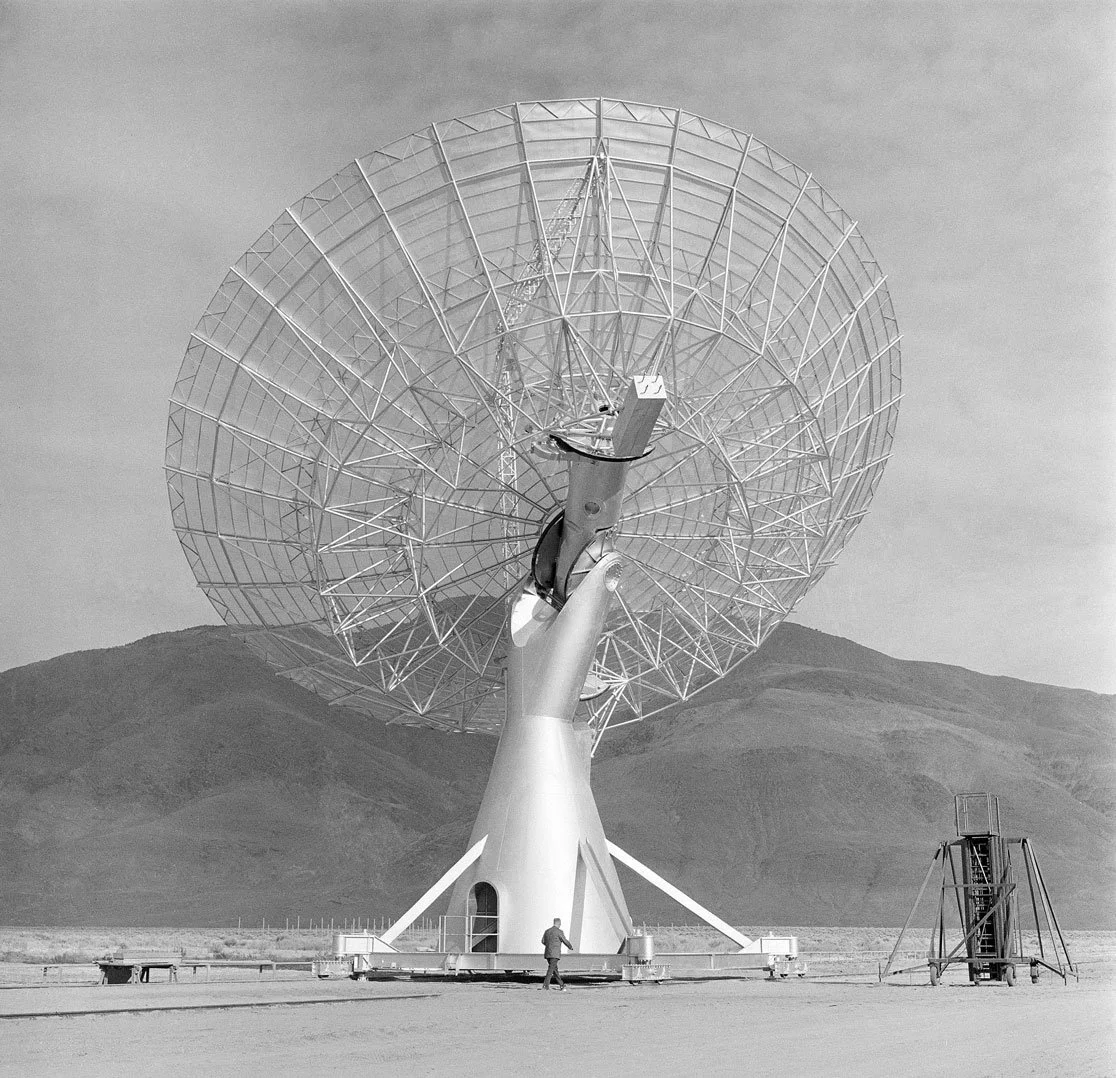
unknown frequency
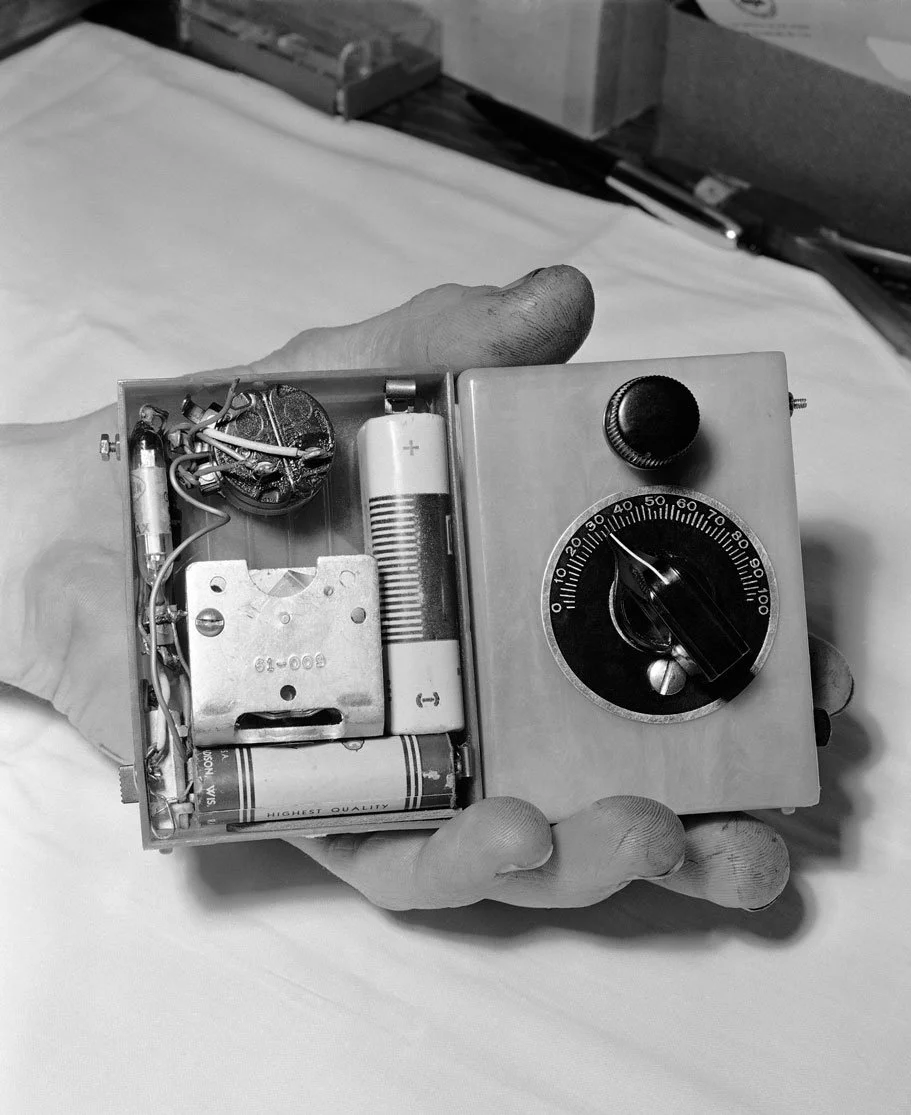
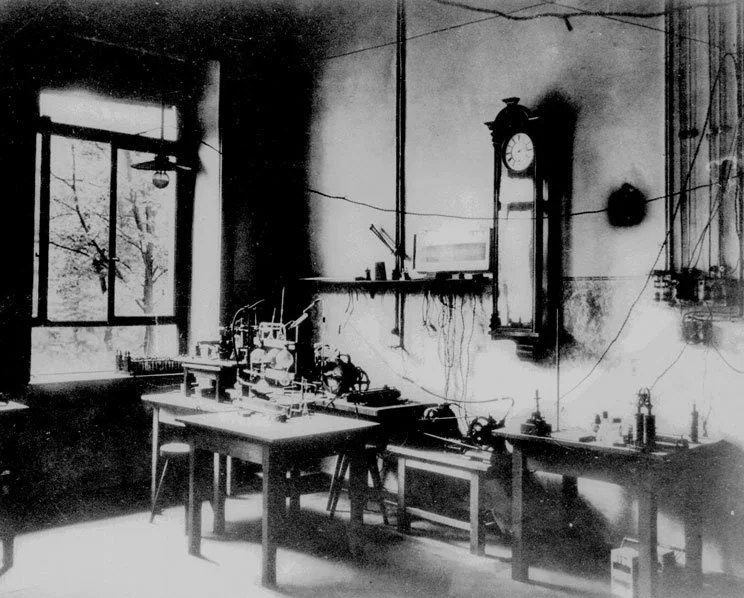
lost technology
tactile - can a memory live in an image? photography - amateur and pro, physical and in the cloud - digital
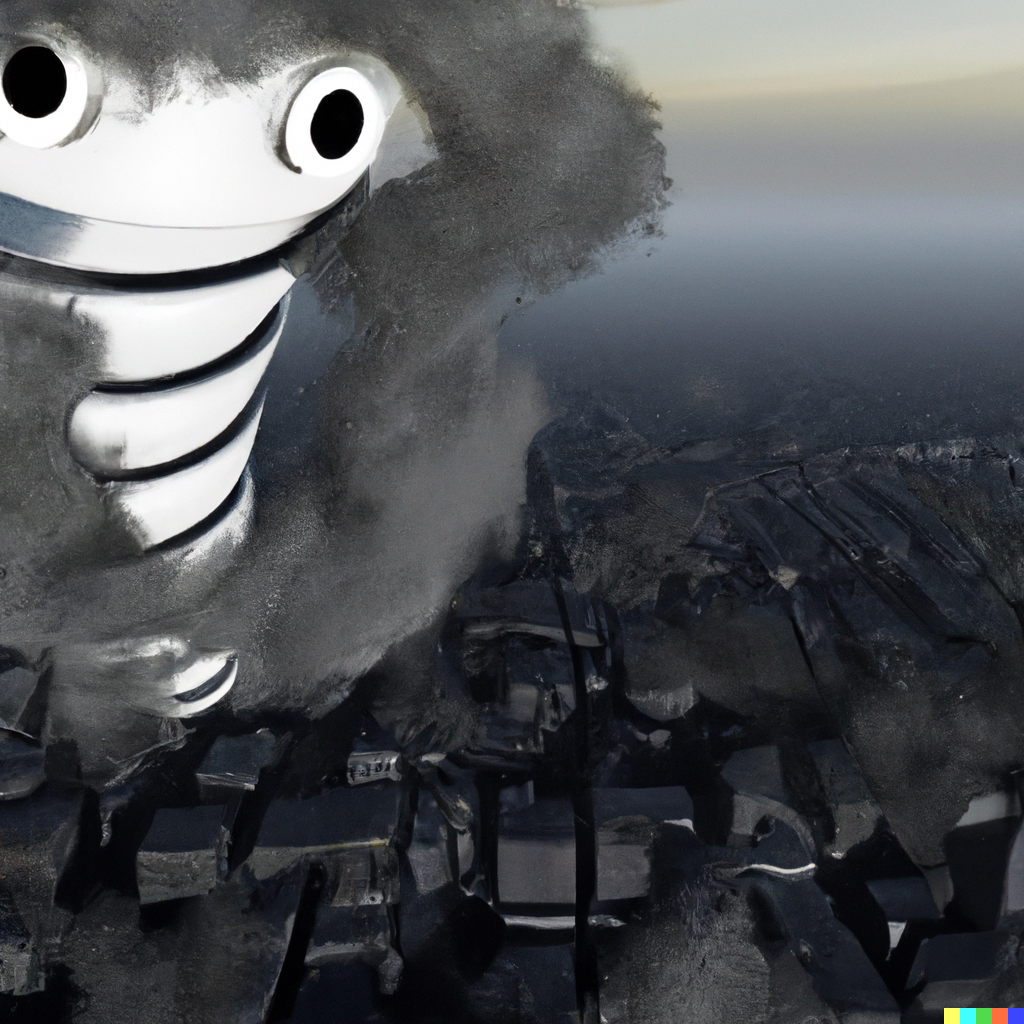
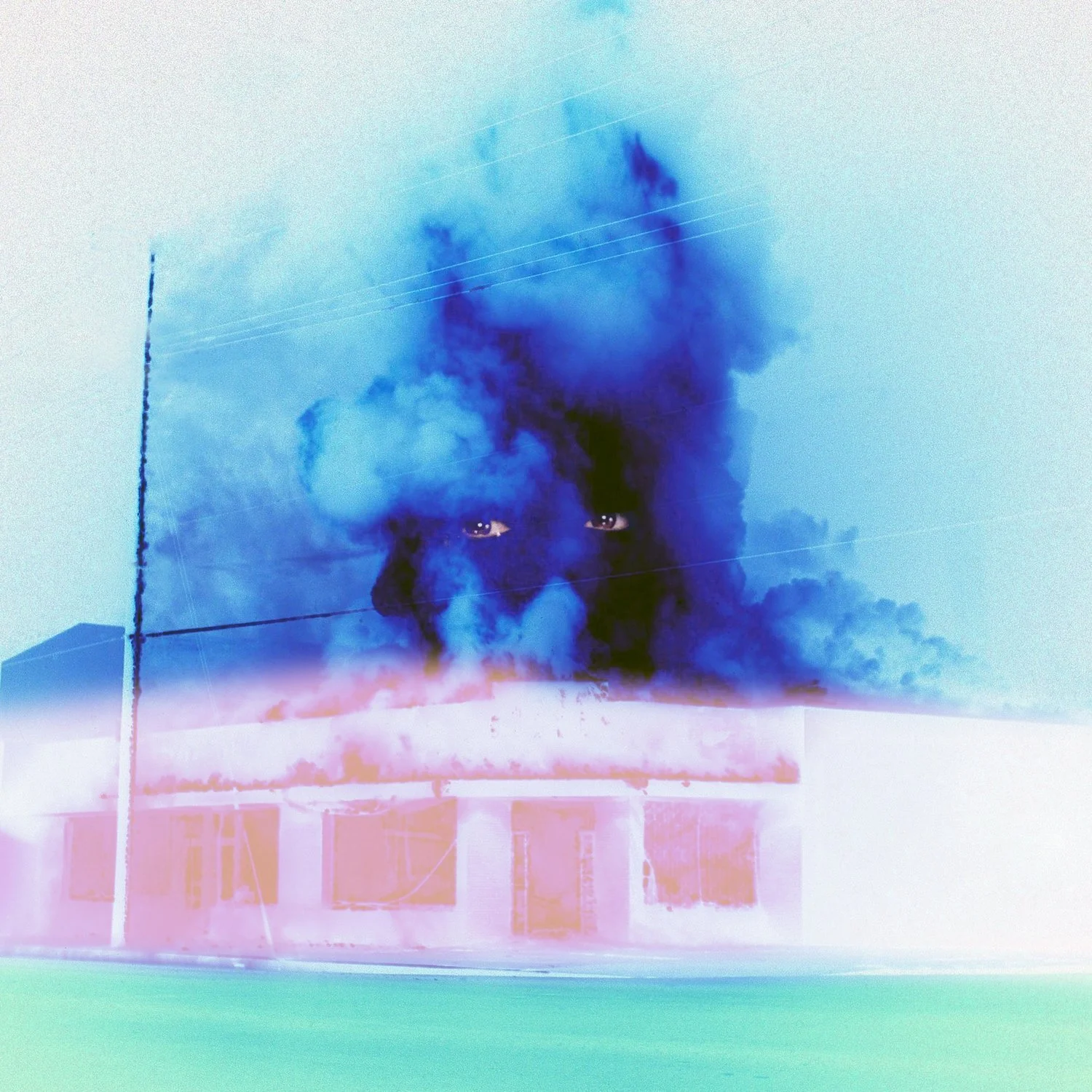
Ominous Cloud